Source Reclining Hospital Chair for Patient Care and Nursing Centers
Find 30 Reclining Hospital Chair options for nursing centers, sickrooms, and offices. Compare models like BS-212 and TC-71 with features such as easy cleaning, metal construction, and electric mobility to suit patient care needs.
Key considerations
Products List


Hospital Chair Accompanying Chair Hospital Furniture Medical Equipment
$63.00 - $100.00
MOQ: 10 Pieces


Homecare Clinic Economic Foldable Hospital Medical Reclining Recliner Wheelchair
$420.00 - $450.00
MOQ: 10 Pieces


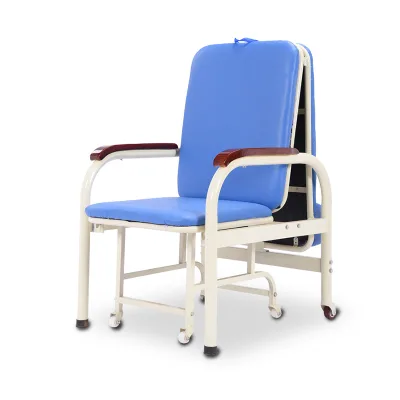


Medical Furniture Clinic Reclining Hospital Used Infusion Chairs for Patients
$308.00 - $1060.00
MOQ: 1 Pieces

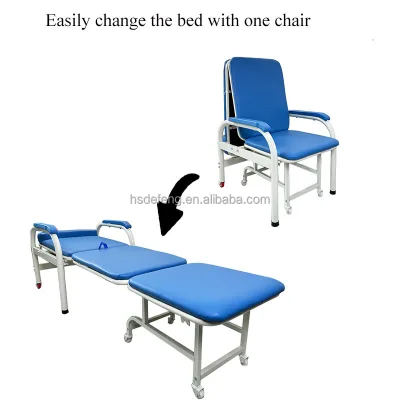


AC-01 Hospital Medical Foldable Accompanying Chair Waiting Chair for Hot Sale
$20.00 - $50.00
MOQ: 1 Pieces


Comprehensive Sourcing Guide
Strategic Sourcing Guide for Reclining Hospital Chairs
Understanding Product Specifications and Technical Variations
When sourcing reclining hospital chairs, buyers must first distinguish between the diverse technical configurations available in the global market. The core keyword often encompasses a spectrum of products ranging from simple nursing center chairs to complex electric mobility solutions. Based on observed market data, specifications vary significantly by model and intended function. For instance, specific models such as the BS-212 and BS-D2011 represent distinct categories of furniture designed for patient care environments. The BS-212 is characterized by dimensions of 8507501100mm (LengthWidthHeight), while the BS-D2011 features a more compact footprint of 600800840mm. These dimensional differences are critical for facility planning, as they dictate space utilization in nursing centers, sickrooms, and office treatment areas.
Material composition is another primary technical differentiator. Some units are constructed from robust metal frames, ensuring durability in high-traffic clinical settings, while others utilize aluminium alloy for enhanced portability and reduced weight. The weight of the unit without a battery, for example, can be as low as 23.5kg for electric variants, which facilitates easier repositioning by nursing staff. Furthermore, the structural design includes specific features such as a mounted wordpad structure, fixed rotary mechanisms, and foot landing stations. The presence of armrests and the style of the chair, often described as simple or functional, directly impacts user comfort and accessibility. Buyers must verify whether the product is a static reclining chair or an electric wheelchair variant, as the latter includes complex components like 150W*2 brush motors and lithium batteries, with a maximum loading capacity of 120kg and a top speed of 6km/H.
Compliance, Certification, and Safety Standards
In the medical and healthcare sector, compliance is not merely a formality but a prerequisite for procurement. Buyers must rigorously verify that any Reclining Hospital Chair meets the necessary international and regional safety standards. While specific certification status varies by manufacturer, observed market listings frequently cite CE and ISO certifications as indicators of quality assurance. These certifications suggest that the product has undergone testing for electrical safety, mechanical stability, and material biocompatibility. However, buyers should not assume that every listed product automatically satisfies these standards without direct verification from the supplier.
The standard dimensions listed in product specifications, such as 930520790mm or 66.53886, often serve as reference points for regulatory compliance regarding space requirements and patient accessibility. It is essential to confirm that the physical dimensions align with local building codes and healthcare facility regulations. Additionally, the origin of the product, often listed as China or specifically Zhejiang China, requires scrutiny regarding the manufacturing standards of the region. Buyers should request documentation proving that the production facility adheres to recognized quality management systems. The warranty period, typically observed as one year, also serves as a proxy for the manufacturer's confidence in their compliance with safety norms. A lack of clear certification data or an absence of warranty terms should be treated as a significant red flag during the evaluation process.
Cost Drivers and Pricing Dynamics
The pricing of reclining hospital chairs is influenced by a complex interplay of factors, including material costs, technological integration, and customization levels. The observed price range in the market spans from 20 USD to 10,000 USD, reflecting the vast disparity between basic manual chairs and advanced electric mobility units. The "Cheapest" label often applied to certain listings indicates entry-level models that may lack advanced features such as electric reclining mechanisms or premium upholstery. Conversely, higher price points are typically associated with electric wheelchairs featuring dual brush motors, lithium battery systems, and specialized ergonomic designs.
Material selection is a primary cost driver. Chairs constructed from aluminium alloy generally command a higher price than those made from standard metal due to the material's strength-to-weight ratio and corrosion resistance. Customization is another significant factor; products offering custom options often carry a premium. The complexity of the packing, such as export cartons versus standard cartons, can also influence the final landed cost. Buyers must evaluate the total cost of ownership rather than just the unit price. A lower initial cost may result in higher maintenance expenses if the chair lacks durability features like a lifetime of more than five years. Therefore, the procurement strategy should balance upfront investment against long-term operational costs, ensuring that the selected chair meets the facility's budget without compromising on essential quality metrics.
Typical Applications and Usage Environments
Reclining hospital chairs are designed for a wide array of usage environments, each imposing unique requirements on the product. The primary applications include nursing centers, office treatment rooms, sickrooms, and general patient care areas. In these settings, the chair must facilitate easy cleaning to maintain hygiene standards, a feature explicitly noted in many product descriptions. The suitability for patients and their accompanying family members is a critical consideration, as the chair often serves dual purposes for medical treatment and waiting periods.
Beyond clinical settings, these chairs are also utilized in meeting rooms, churches, auditoriums, and halls. In these non-clinical environments, the focus shifts slightly towards aesthetics and comfort, with features like simple styles and fabric materials becoming more prominent. The ability to fold or tilt is particularly valuable in multi-purpose spaces where storage and space efficiency are paramount. For instance, folding models with a tilted seat and separate leg rests on both sides offer versatility for users requiring temporary rest or extended periods of inactivity. The specific model, such as the TC-71 or M4000, may be optimized for these varied contexts, with the M4000 specifically noted as a chaise longue type suitable for prolonged relaxation. Buyers must match the chair's functional attributes to the specific demands of the intended environment to ensure optimal performance and user satisfaction.
Supplier Evaluation and Origin Verification
Evaluating suppliers requires a systematic approach to verify their credibility and production capabilities. The origin of the product, often listed as China or specifically Zhejiang China, provides initial context regarding the manufacturing ecosystem. However, buyers should not rely solely on the country of origin. Instead, they must investigate the specific supplier's track record, production capacity, and adherence to quality standards. The presence of specific model numbers, such as BS-212, BS-D2011, TC-71, and M4000, indicates a level of standardization in the supplier's product line, which can be a positive indicator of manufacturing consistency.
Suppliers should be able to provide detailed documentation regarding their production processes, including material sourcing and assembly protocols. The availability of customization options suggests a flexible manufacturing capability, which is beneficial for buyers with specific requirements. However, the extent of customization should be clearly defined to avoid scope creep and unexpected costs. Buyers should also verify the supplier's ability to meet minimum order quantities (MOQ), which can range from 1 to 1000 units depending on the product. A supplier with a high MOQ might be suitable for large institutional contracts, while one with a low MOQ may be better for smaller clinics or pilot programs. Transparency in communication and the willingness to provide samples or detailed specifications are key indicators of a reliable supplier.
Quality Control and Long-Term Procurement Considerations
Quality control is essential to ensure that reclining hospital chairs perform reliably over their intended lifespan. Products are often marketed with a lifetime of more than five years, but this claim must be validated through rigorous testing and quality assurance protocols. Buyers should request test results related to structural integrity, motor performance, and battery longevity, particularly for electric models. The warranty period, typically one year, offers a baseline level of protection, but buyers should consider the long-term implications of potential repairs and replacements.
Packaging is another critical aspect of quality control. Export cartons are generally preferred for international shipments to ensure the product arrives in pristine condition, minimizing the risk of damage during transit. The condition of the product upon arrival should be verified as "New," and any signs of wear or damage should be documented immediately. For long-term procurement, buyers should establish a relationship with suppliers that offers consistent quality and reliable after-sales support. This includes access to spare parts, technical support, and maintenance services. The ability to customize the product to specific needs can also extend the useful life of the chair by allowing for upgrades or modifications as requirements evolve. By focusing on these long-term considerations, buyers can ensure a sustainable procurement strategy that delivers value over time.
Comparative Analysis of Key Product Attributes
To facilitate informed decision-making, buyers should compare key attributes across different models. The following table summarizes the observed specifications for representative products in the market:
| Attribute | Model BS-212 | Model BS-D2011 | Model TC-71 | Model M4000 |
|---|---|---|---|---|
| Dimensions (LWH) | 8507501100mm | 600800840mm | 930520790mm | 66.53886 |
| Material | Metal | Metal | Aluminium Alloy | Fabric |
| Primary Usage | Nursing Center, Sickroom | Nursing Center, Sickroom | Meeting Room, Hall | Patient Care |
| Special Features | Easy Cleaning, Mounted Wordpad | Fixed Rotary, Foot Landing | Tilted, Folding, Customized | Chaise Longue, Electric |
| Certification | Not Listed | Not Listed | CE, ISO | Not Listed |
| Origin | China | China | Zhejiang China | Not Listed |
| Warranty | 1 Year | 1 Year | 1 Year | 1 Year |
This comparison highlights the diversity in product offerings. While the BS-212 and BS-D2011 share similar materials and usage contexts, the TC-71 stands out with its aluminium alloy construction and specific certifications. The M4000 represents a different category entirely, focusing on comfort and electric functionality. Buyers must carefully align these attributes with their specific operational needs to select the most appropriate solution.
Final Procurement Recommendations
In conclusion, sourcing reclining hospital chairs requires a meticulous approach that balances technical specifications, compliance, cost, and supplier reliability. Buyers should prioritize products that offer clear certification, robust construction, and a proven track record of durability. The wide range of prices and features necessitates a thorough evaluation of the total cost of ownership, considering factors such as maintenance, warranty, and potential customization. By adhering to the guidelines outlined in this guide, buyers can make informed decisions that ensure the safety, comfort, and efficiency of their healthcare facilities. The key to successful procurement lies in detailed due diligence, clear communication with suppliers, and a commitment to quality that extends beyond the initial purchase.
FAQs
What certifications do reclining hospital chairs typically have?
Some models carry CE and ISO certifications to indicate safety compliance. Buyers must verify these directly as not every listing includes them. Certification status varies by manufacturer and requires documentation to confirm electrical and mechanical stability standards.
How long is the warranty period for these chairs?
The standard warranty period observed is one year. This baseline protects against defects but does not cover normal wear. Buyers should confirm specific terms with suppliers to ensure coverage aligns with facility maintenance needs.
Which materials are used for Reclining Hospital Chair frames?
Frames are commonly constructed from metal or aluminium alloy. Metal offers robust durability for high-traffic areas, while aluminium reduces weight for portability. The material choice impacts the unit's weight and suitability for different care environments.
Can these chairs be customized for specific needs?
Customization is available for many models to meet unique requirements. Buyers should define specific needs early to avoid scope creep and unexpected costs. Flexible manufacturing capabilities allow for tailored dimensions or features based on facility specifications.
What is the maximum loading capacity for electric variants?
Electric wheelchair models support a maximum loading capacity of 120kg. This limit ensures safe operation of the motor and battery systems. Users must verify this capacity against patient weight requirements before procurement.
How does the price range vary for these products?
Prices range from 20 to 10,000 USD depending on features. Basic manual chairs cost less than electric models with advanced motors and batteries. Buyers should evaluate total cost of ownership rather than just the initial unit price.
Where are these reclining hospital chairs typically manufactured?
Products originate primarily from China, with some from Zhejiang specifically. Buyers should scrutinize regional manufacturing standards and request quality documentation. Origin affects shipping logistics and compliance with local import regulations.